
India’s green building market is estimated to double by 2022 at 10 billion sq ft, valuing around USD 35-50 billion. According to property consultant ANAROCK, "Though at a nascent stage, India has emerged as one of the leading countries in terms of green buildings’ projects. India ranks only second after the US in terms of the number of green technology projects and built-up area."
It is estimated that more than 4,300 projects with about 4.7 billion sq ft of built-up area had registered for green technology as of September 2017. This is only about 5 per cent of the total buildings in India, and hence there is huge potential for further penetration of green building technology.
It is estimated that more than 4,300 projects with about 4.7 billion sq ft of built-up area had registered for green technology as of September 2017. This is only about 5 per cent of the total buildings in India, and hence there is huge potential for further penetration of green building technology.
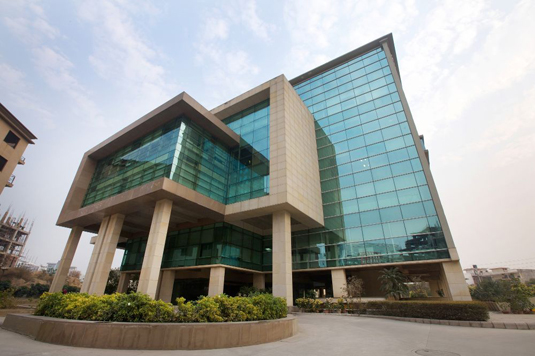
Green building is the practice of using processes and technologies which are environment friendly and energy efficient throughout the building’s lifecycle from siting to design, construction, operation, maintenance, renovation and deconstruction.
The report said that the growth of green building in India would be driven by increasing awareness, environmental benefits, government’s support, subsidies and compulsions. The improving affordability is also a factor in the growth. The report also pointed out that countries with more population & limited resources that will to adopt green buildings’ practices faster.
LEED (USA), BREEAM (UK), DGNB (Germany) and CASBEF (Japan) are a few of the key global entities that define, categorise and certify green buildings across different countries. In India, IGBC and GRIHA define the green building norms.


